Cable Container for Construction Sites: How Delivery and Collection Work
Cable Container for Construction Sites: How Delivery and Collection Work
On a larger construction site, cables accumulate continuously and in volumes that are not worth driving to a scrap yard by car. A cable container placed directly on site handles collection, theft protection and removal in one step. This article describes how ordering, filling and collecting a container works, what Slovak Act No. 79/2015 Coll. on Waste requires in this context, and which documents to request at each collection.
When a Cable Container Makes Sense
A container makes sense where cables are generated over a longer period or in large quantities at once. Typical examples are electrical installations in residential and office buildings, renovations with rewiring, utility relocations and dismantling of technical equipment.
For smaller quantities, it is easier to bring the cables to the buyer's facility. There is no fixed threshold. It depends on how quickly cables accumulate, how much space is available on site and how often your own vehicles travel there.
On its cable buying page, WIP Autovrakovisko states that for larger volumes it provides a container or collection. It determines the cable type and purchase price after inspecting the material.
What the Waste Act Says
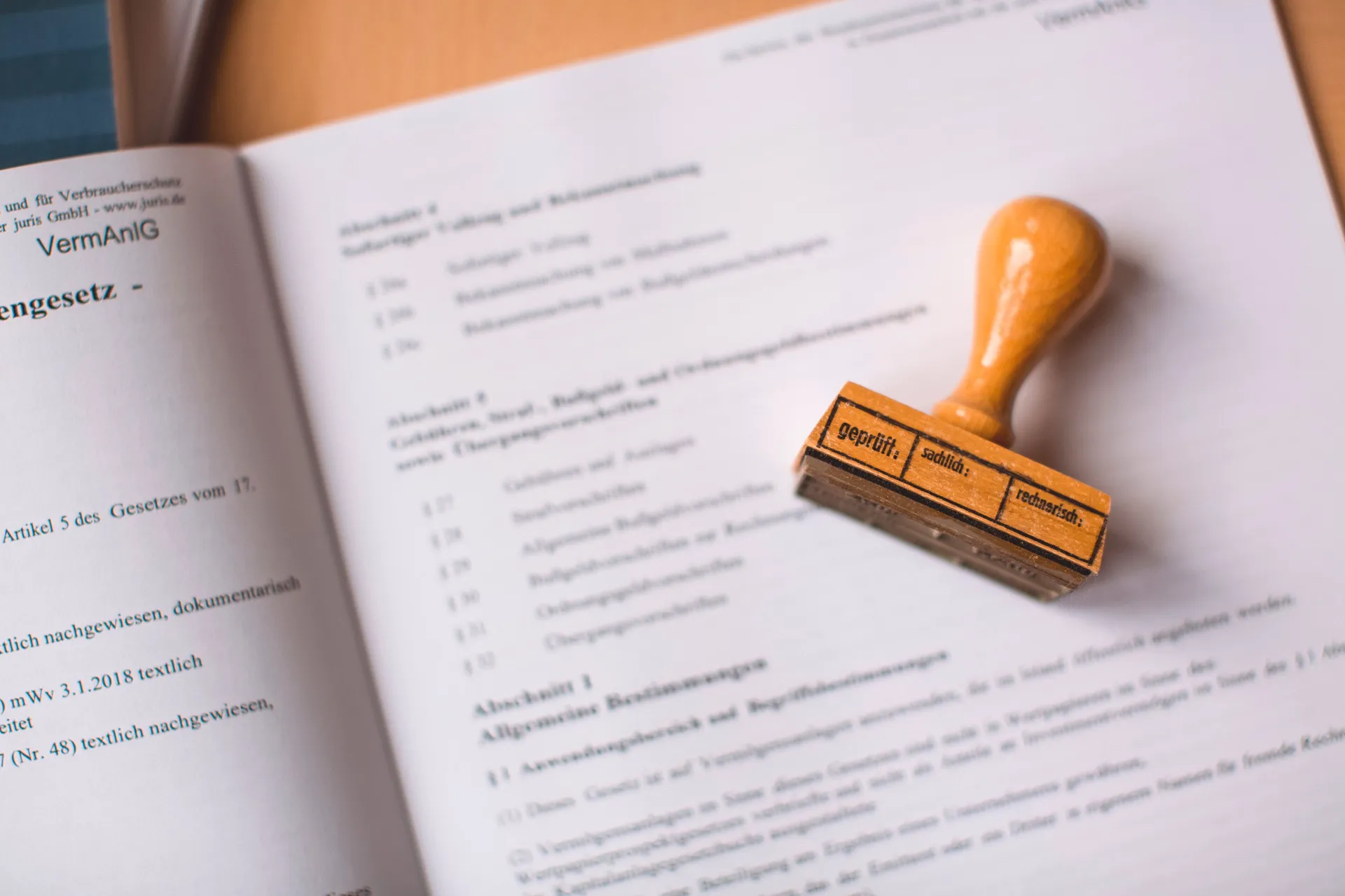
Cables from construction are construction waste, most often under waste code 17 04 11. A container on site is a place where this waste is accumulated, so the standard obligations of a waste holder apply. They are described in detail in the article Cables from construction sites and the Waste Act (in Slovak), and classification is explained in Waste catalogue code 17 04 11 for cables (in Slovak).
Three obligations under Section 14(1) of the Waste Act are relevant for a container:
- Accumulate waste sorted by type and protect it against deterioration, theft or other unwanted leakage (letter b).
- Accumulate hazardous waste separately and label it (letter c).
- Hand over waste only to a person authorised to manage waste (letter e).
Section 77(3)(d) adds another requirement. The producer of construction waste must have a demonstrable contractual relationship for the physical handling of the waste before the waste is generated. It is therefore advisable to agree on container placement and cable collection before work starts, not at the first pickup. The minimum scope of the contract is set out in Decree of the Ministry of Environment No. 344/2022 Coll.
Is cable collection agreed before the electrical work begins? We can discuss container placement and cable collection while the project is still in preparation.
Discuss a container before work starts →
Where the Container Can Stand
If the container stands on the construction site itself, you only need to reserve a spot accessible to a truck. A paved area away from the main site routes is best, ideally within range of CCTV or security.
If the container is to stand on a road, pavement or other public space, this is generally a special use of a road under Section 8 of Act No. 135/1961 Coll. on Roads. The permit is issued by the competent road administration authority, which for local roads is the municipality. The municipality may also levy a local tax for the use of public space under Act No. 582/2004 Coll. Conditions and fees vary by municipality, so check them with the relevant office.
What Goes in the Container and What Doesn't
The purchase price of cables depends on their metal content. The cleaner and better sorted the container content, the more accurately it can be valued. An overview of price groups is in the WIP price list.
| In the cable container | Outside the cable container |
|---|---|
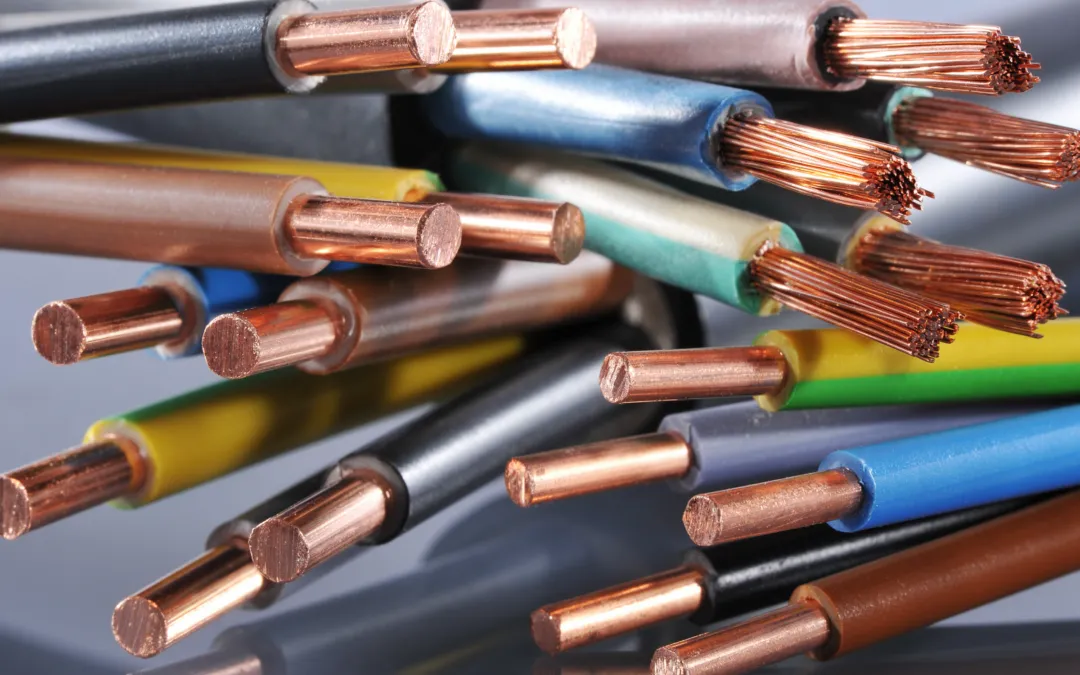
| Copper power cables (e.g. CYKY) | Mixed construction waste, rubble, wood |
| Aluminium cables (e.g. AYKY), ideally separate from copper | Plastics, packaging, cable reels and drums |
| Cable offcuts from electrical installation | Electrical waste (luminaires, power supplies, whole switchboards) |
| Dismantled old wiring | Cables suspected of containing hazardous substances (code 17 04 10, stored separately) |
| Thin and communication cables, if agreed with the buyer | Other metal waste, e.g. steel profiles, unless agreed otherwise |
For lead and heavy shielded cables, agree on the procedure in advance.
Not sure whether to split cables into several containers? During an inspection, we assess what cables your site produces and whether separate collection is worthwhile.
Step by Step
- Estimate quantity and type. Prepare the approximate scope of work, cable types and a timeline of when they will be generated.
- Agreement with the buyer. Before the waste is generated, sign a contract with an authorised collector and verify its waste management authorisation.
- Inspection. The buyer assesses the cable type and site conditions. WIP sets the price only after inspecting the material.
- Delivery. Agree on date and location. If the container is to stand on a road, obtain the permit in advance.
- Filling. Put only the agreed cable types in the container. Appoint a responsible person on site to supervise content and security.
- Collection request. When the container is full or a work phase ends, order collection. For longer projects, container exchange is agreed in advance.
- Weighing and valuation. After collection, the cables are weighed and valued by group. Request a document showing the waste code, weight and date.
- Records. Enter the data in the electronic waste records for the site. How to record cables is explained in Waste catalogue code 17 04 11 for cables (in Slovak).
Payment for purchased metal waste is made by bank transfer or postal money order, as required by the Waste Act. For sales between VAT payers, the reverse charge mechanism may apply. We recommend confirming your specific case with a tax adviser.
Need a container for a project with several phases? We will agree on delivery and collections to match the schedule of the electrical work.
Plan delivery and collections →
Illustrative Example
The figures are illustrative and do not reflect a specific project. Unit prices correspond to groups in the WIP price list at the time of writing. The actual price is set after inspection and changes with metal prices.
During construction of an office building, 1,200 kg of cables are collected in the container during one phase. The electricians sort them into three groups.
Cu cables 40 %:  700 kg × €3.00 = €2,100
Cu cables 60 %:  300 kg × €4.00 = €1,200
Al cables 60 %:  200 kg × €0.80 =   €160
Total:         1,200 kg           = €3,460
If the same content were valued as a single mix, for example under the group Cu cables 30 %, the result would differ:
Mix:          1,200 kg × €2.00 = €2,400
Difference:   €3,460 − €2,400  = €1,060
The example does not show how a specific buyer values a mix. It does show that sorting while filling the container can affect the return more than the frequency of collections.
Documentation for Collection
For container collection, it is advisable to have the following documents:
- a contract with an authorised collector signed before the waste is generated,
- a copy of the collector's waste management authorisation,
- a permit from the road administration authority if the container stands on a road,
- a receipt or weighbridge ticket with waste code, weight and date for each collection,
- proof of payment,
- an entry in the electronic waste records for the site.
The same documents are needed for final building approval and ESG reporting; see Cable recycling in ESG reporting (in Slovak).
Want a document for records and audit with every collection? On collection, we issue a document stating the waste type and weight, and we list the site based on your information.
Discuss collection documents →
Common Mistakes
The first mistake is a container without supervision and without a responsible person. Mixed waste ends up in it and cables disappear from it. The law requires waste to be protected against theft.
The second mistake is ordering the container only once cables are already lying on site. The contractual relationship must exist before the waste is generated.
The third mistake is placing the container on a pavement or road without a permit. Besides a penalty, this can delay delivery and collection.
The fourth mistake is collection without a weight document. The quantity is then missing from the records and from the data for the construction waste recovery target.
Frequently Asked Questions
How much do container delivery and collection cost?
On its cable buying page, WIP states that collection is free of charge. Specific delivery conditions, such as location and minimum quantity, should be confirmed when agreeing the order.
How is the price for cables from the container determined?
By type and metal content. WIP sets the price after inspecting the material. Indicative price groups are in the price list.
Can copper and aluminium cables go into one container?
They can, but a mix is usually valued lower and is harder to weigh by group. If space allows, it pays to collect them separately.
Who is responsible for the container content when a subcontractor fills it?
For commercial projects, the producer of construction waste is generally the developer holding the building permit. Who supervises the container and receives the documents should be set out in the construction contract.
Does a container on site need a permit?
On the construction site plot, generally not. On a road, pavement or public space, it is generally a special use permitted by the road administration authority.
Conclusion
A cable container is a practical solution for sites where cables are generated continuously or in larger volumes. It simplifies sorting, protects the metal from theft and provides a document for the records with every collection. The key is to agree collection before the waste is generated, obtain a permit if the container stands outside the site, and supervise what goes into it.
Preparing a project and want the cable container sorted in advance? Send us the site address, expected quantity and cable types. We will get back to you with delivery and collection options.
Sources
- Act No. 79/2015 Coll. on Waste
- Decree No. 344/2022 Coll. on construction and demolition waste
- Decree No. 365/2015 Coll. establishing the Waste Catalogue
- Act No. 135/1961 Coll. on Roads
- Act No. 582/2004 Coll. on Local Taxes and Local Fee
- WIP Autovrakovisko: Cable buying
- WIP Autovrakovisko: Price list