Waste Handling Documents for the Final Building Inspection (Kolaudácia)
Waste Handling Documents for the Final Building Inspection (Kolaudácia)
At the final building inspection, known in Slovakia as kolaudácia, the developer must be able to show what happened to the waste from the construction site. The state waste management authority comments on the inspection as an affected authority, and its binding opinion is one of the attachments to the application for kolaudácia. It is based on documents created throughout construction, not only at the end. This article explains which waste documents are expected at kolaudácia, why identifying the building on them matters, and how to have them ready in time.
Why waste is part of kolaudácia
Under § 99(1)(b)(5) of Act No. 79/2015 Coll. on Waste (zákon o odpadoch), the state waste management authority also comments on the documentation in the kolaudácia procedure. This authority is the competent district office (okresný úrad), department of environmental care. Under § 99(2), it has the status of an affected authority in these procedures.
The new Building Act No. 25/2025 Coll. (stavebný zákon) has been in force since 1 April 2025. Under this act, kolaudácia ends with an occupancy certificate (kolaudačné osvedčenie) issued by the building authority. Within its competence, an affected authority issues a binding opinion on the kolaudácia of the building (§ 21(3)(c) of the Building Act).
The template application for kolaudácia under § 66 of the Building Act is set out in Annex 8 to Decree No. 60/2025 Coll. Its list of attachments includes the binding opinions of affected authorities. It is therefore advisable to have the waste management opinion before the developer files the application.
If the building was permitted under the previous Act No. 50/1976 Coll., the transitional provisions determine which rules apply to kolaudácia. We recommend checking this directly with the building authority.
Who submits the documents
For construction work carried out for a legal entity or a business, the waste producer is the person who was issued the permit under building regulations, usually the developer (§ 77(2) of the Waste Act). The developer is therefore also responsible for making sure the waste documents for kolaudácia exist and are complete.
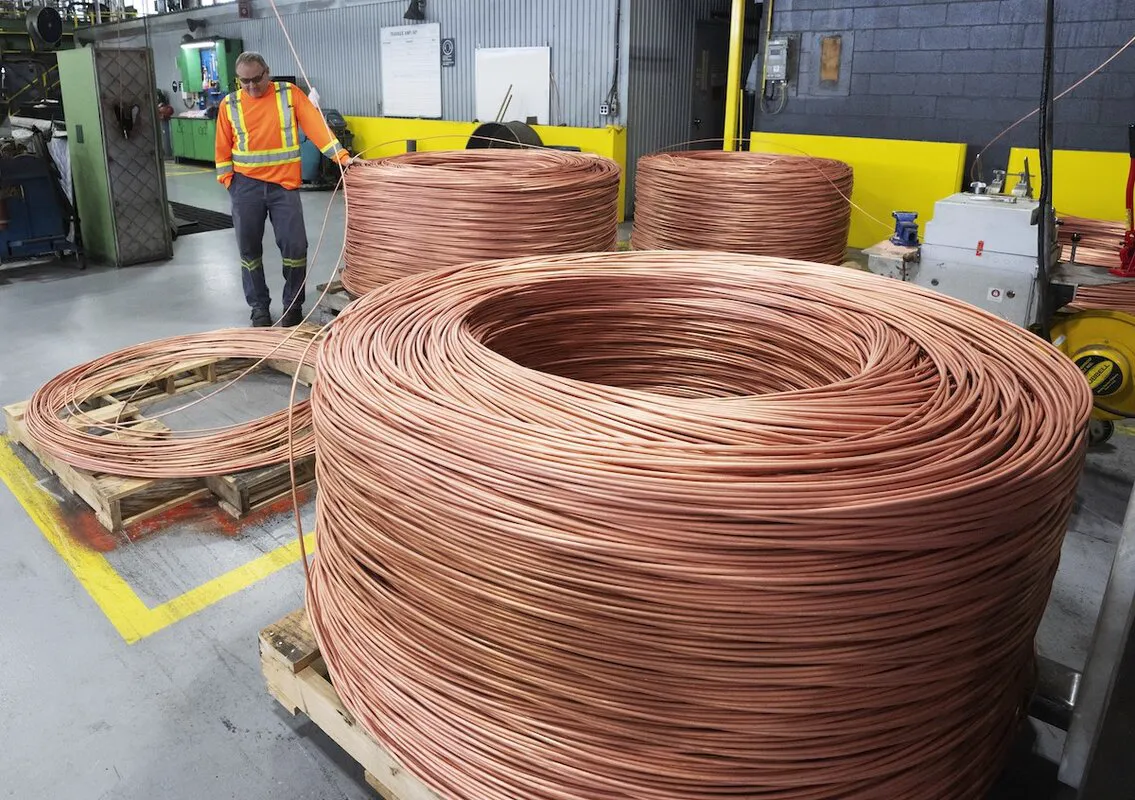
In practice, the documents are often collected by the general contractor, subcontractors or an external waste manager. How to split these duties in the construction contract is explained in the article Cables from construction sites and the Waste Act. For kolaudácia, the contract should also state who hands the documents over to the developer and by when.
Do you know who collects the waste documents for kolaudácia on your project? When we agree on cable collection, we set in advance who receives the weighing slips and in what form.
Agree on who receives the documents →
Which documents the district office expects
Neither the Building Act nor the template kolaudácia application contains a separate list of waste documents. Specific requirements are therefore set by the district office, most often already in its opinion on the building permit. These conditions are then carried over into the conditions of the permit.
In 2025, for example, the District Office Bratislava stated that, as the basis for its binding opinion on kolaudácia, it requires documents on how the waste from the building was handled. As examples, it named invoices, weighing slips for each type of waste handed over to an authorised person, and the waste handling contract. Originals must be presented on request. It also stated that a document without an exact identification of the building would not be considered relevant.
Requirements may differ between district offices. Read the conditions in the opinion on your building at the start of construction, not just before kolaudácia.
| Document | What it must show | For cables from the site |
|---|---|---|
| Contract on physical waste handling | waste types, handling method, collector's authorisation, signed before the waste arises | contract with the cable and metal buyer |
| Copy of the collector's authorisation | valid for the term of the contract | the buyer's waste handling authorisation |
| Weighing slips or acceptance confirmations | date, waste code, weight, collector, building identification | usually code 17 04 11, hazardous cables 17 04 10 |
| Invoices or credit notes | link to a specific handover and building | purchase document referring to the weighing slip |
| Hazardous waste documents | classification assessment, consignment notes | old cables containing hazardous substances |
| Waste records for the building | quantities match the weighing slips | a record sheet for each waste code |
| For demolition, notification and evaluation of selective demolition | demolition method, sorted materials, photo documentation | cables from dismantling the original wiring |
The minimum content of a contract on the physical handling of construction waste is set by § 2 of Decree No. 344/2022 Coll. It covers the waste types, how they will be handled, the planned treatment at the first facility, and an authorisation valid for the term of the contract. How to classify cables under the correct code is described in the article Waste catalogue code 17 04 11 for cables.
Why the building identification matters
Larger companies often hand over waste from several sites to the same collector. If a weighing slip shows only the company's registered office, it is impossible to tell which building the waste came from. The district office may not accept such a document.
It is therefore advisable to identify the building the same way on every document, for example by its name in the permit and the site address or land parcel. From 1 January 2027, weighing slips and consignment notes are also to include the waste origin site identifier from the Waste Management Information System (ISOH). Details of the transition are in the article Waste records and reporting from construction sites.
Do your weighing slips for cables include the name of the building? When we collect, we write the building on the document using the details you give us in advance.
Set up the weighing slip details →
Step by step
- When the building is permitted, read the district office's waste management opinion and list its conditions for kolaudácia.
- Set one name for the building and one site address to be used on every waste document.
- Before any waste arises, sign contracts with authorised collectors and file copies of their authorisations.
- In the construction contract, state who collects the documents, the deadline for handing them to the developer, and who archives them.
- Sort waste by type on site and collect cables separately from other metal.
- At each handover, check that the document shows the date, waste code, weight, collector and building identification.
- Match the documents to the waste records continuously and check once a month that none are missing.
- When the work is finished, prepare an overview of waste by code and attach copies of the documents.
- Ask the district office for its binding opinion on kolaudácia well before filing the kolaudácia application.
- Keep the originals ready in case the office asks for them.
Illustrative example
The figures in this example are illustrative and do not reflect a specific project.
A developer is completing an apartment building with a built-up area of more than 300 m². According to the documents, the site generated 1,500 t of construction waste, of which 1,140 t was handed over for recovery. Cables accounted for 4.2 t in 24 handovers.
During a check before kolaudácia, the developer finds that 90 t of waste sent for recovery has documents without the building identification. These include 3 weighing slips for cables weighing 0.6 t. The subcontractor had entered only the company's registered office.
Recovered according to all documents:
1,140 / 1,500 = 0.760 = 76.0 %

Recovered excluding documents without building identification:
(1,140 − 90) / 1,500 = 1,050 / 1,500 = 0.700 = 70.0 %

Cables documented with building identification:
4.2 − 0.6 = 3.6 t
If the office did not accept the documents without building identification, the proven recovery rate would fall from 76.0 % to 70.0 %. The developer would be right at the level commonly given as the recovery target for buildings over 300 m². If the error is caught early, a corrected confirmation from the collector is easier to obtain than just before kolaudácia.
Documents to have ready
For kolaudácia, it is advisable to have these waste documents ready:
- the district office's opinion on the building permit with its conditions for kolaudácia,
- contracts on physical waste handling signed before the waste arose,
- copies of all collectors' authorisations,
- weighing slips or acceptance confirmations with the building identification,
- invoices or purchase documents linked to each handover,
- for hazardous waste, the classification assessment and consignment notes,
- waste records for the building and confirmations that reports were filed,
- for demolition, the notification of selective demolition and its evaluation with photo documentation,
- an overview of waste by code with quantities and collectors.
You can use the same records in an ESG report (environmental, social and governance). How to report them is described in the article Cable recycling in ESG reporting.
Are you missing documents for some cable collections before kolaudácia? If the cables were handed over to us, we can help trace the documents by date and site.
Trace documents for collections →
Common mistakes
The first mistake is collecting documents only just before kolaudácia. Missing or incorrect documents are hard to obtain months later, especially from subcontractors who are no longer on site.
The second mistake is documents without the building identification. For companies with several sites, the district office may not be able to assign them to the building being inspected.
The third mistake is a contract with the collector signed only after the waste has arisen. The law requires a demonstrable contractual relationship before the waste arises.
The fourth mistake is a mismatch between the waste records and the documents. Weights estimated on site do not match the weighing slips, and the difference is hard to explain at kolaudácia.
The fifth mistake is cables mixed with other metal or with mixed waste. Such quantities cannot be documented as separately recovered cables.
Do you hand over cables from several sites and need separate documents? When we collect, we issue a separate document for each building with the waste code and weight.
Frequently asked questions
Does every building have to submit waste documents at kolaudácia?
It depends on the conditions the district office set in its opinion on your building and on whether it comments on kolaudácia as an affected authority. For larger buildings with a significant amount of construction waste, you should expect it.
Who asks the district office for the binding opinion?
According to the template application, the binding opinions of affected authorities are attachments to the kolaudácia application. In practice, they are therefore requested by the developer or a person the developer authorises. We recommend checking the procedure with the district office and the building authority.
Are copies of the documents enough?
Copies are usually submitted, but the office may ask for the originals. Archive the originals so that you can present them quickly.
What if a weighing slip does not show the name of the building?
Ask the collector to correct it or to confirm which building the waste came from. The sooner you do this, the easier it is to trace the data.
Do cables the buyer paid us for also belong in the documents?
Yes. Purchased cables are also waste from the site. The purchase document shows that they were handed over to an authorised person for recovery.
Conclusion
Waste handling documents are the basis for the district office's binding opinion on kolaudácia. The office may require, as the District Office Bratislava does, that each document makes clear which building the waste came from. The documents are created throughout construction, so they need to be collected and checked continuously. Cables sorted separately and backed by weighing slips with the building identification are among the easiest parts of construction waste to document.
Would you like your cable documents ready for kolaudácia from the start of construction? Tell us about the building and how many cables you expect. We will get back to you with collection options.
Sources
- Act No. 79/2015 Coll. on Waste
- Act No. 25/2025 Coll., Building Act
- Decree No. 60/2025 Coll. of the Office for Spatial Planning and Construction
- Template application for kolaudácia under § 66 of the Building Act
- Decree No. 344/2022 Coll. on construction and demolition waste
- Building permit of Bratislava-Staré Mesto with the waste management opinion of the District Office Bratislava, 2025
- City of Trnava: Application for kolaudácia under Act No. 25/2025 Coll.